

In-House Development vs. Outsourcing: Pros, Cons, & ROI
Hiring developers full-time or outsourcing to an agency? Both have real trade-offs. Here's an honest comparison to help you make the right call for your stage and budget.
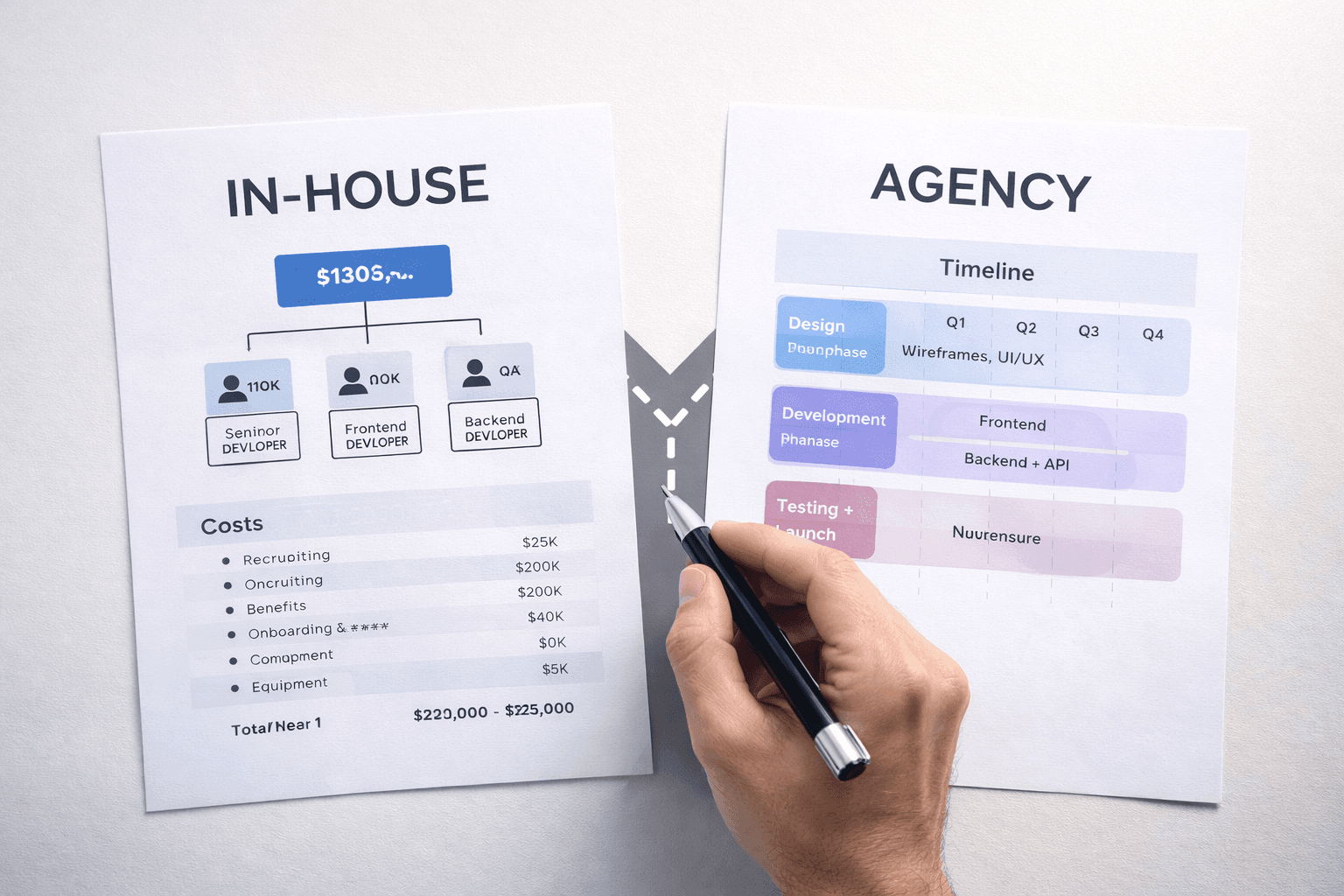
Choosing the Right Dev Model: In-House vs. Outsourced
At some point, every growing company asks: "Should we hire our own developers, or work with an agency?"
The answer isn't always obvious. Both paths have real costs, real benefits, and real consequences if you choose wrong for your stage.
The Real Cost Comparison
Most people compare the wrong numbers. They look at agency hourly rates vs. developer salaries and conclude that hiring is cheaper. Let's look at the actual math.
Hiring In-House (1 Senior Full-Stack Developer, US)
| Cost | Annual |
|---|---|
| Base salary | $120,000 – $180,000 |
| Benefits (health, 401k, PTO) | $25,000 – $45,000 |
| Equipment & tools | $3,000 – $5,000 |
| Recruiting (agency or job boards) | $15,000 – $30,000 |
| Onboarding & ramp-up (2–3 months) | $30,000 – $45,000 in lost productivity |
| Management overhead | $10,000 – $20,000 |
| Total Year 1 | $203,000 – $325,000 |
And that's for one developer. Most products need 2–4 people minimum (frontend, backend, design, QA).
Working With an Agency
| Cost | Typical Range |
|---|---|
| MVP build (3–4 months) | $30,000 – $100,000 |
| Ongoing retainer (monthly) | $5,000 – $20,000 |
| Total Year 1 | $90,000 – $200,000 |
An agency gives you an entire team — developers, designers, project managers, QA — for less than the cost of hiring one senior engineer.
When to Hire In-House
Go in-house when:
- Tech IS your product and you need deep, proprietary knowledge
- You have $500K+ annual engineering budget to build a real team (not just one developer)
- You need developers available in real-time for production emergencies
- You've already validated your product and are scaling past product-market fit
- Retention of institutional knowledge is critical to your business
When to Outsource
Work with an agency like MAGEHIRE when:
- You're pre-revenue or early-stage and need to move fast without a $300K commitment
- You need specialized skills (mobile, AI, DevOps) that don't justify a full-time hire
- Your project has a defined scope — build it, launch it, transition to maintenance
- You want to test the waters before committing to a full engineering team
- You need to scale quickly — an agency can staff up in days, hiring takes months
The Hybrid Approach
The smartest companies don't choose one or the other. They do both:
Phase 1: Outsource to an agency for the MVP and initial product development
Phase 2: Hire a technical lead / CTO once you have revenue and product-market fit
Phase 3: Gradually build an in-house team while keeping the agency for overflow, specialized work, or specific features
This gives you speed when you need it, ownership when you can afford it, and flexibility throughout.
Red Flags for Each Approach
In-House Red Flags
- Hiring one "full-stack" developer and expecting them to do everything
- No technical leadership to manage and mentor your developers
- Expecting senior-level output at junior-level salaries
Agency Red Flags
- No dedicated project manager or point of contact
- Refusal to share code repositories or documentation
- Pricing that seems too good to be true (it is)
- No references from companies at your stage
Not sure which path is right? MAGEHIRE works with companies at every stage — from MVP outsourcing to hybrid team augmentation. Let's figure out the right model for your business.
Related expertise: Scale your product with our Backend Engineering and B2B SaaS Development services.
What is Choosing the Right Dev Model?
This solution focuses on solving core business challenges through strategic technical implementation. At its heart, it leverages modern engineering to drive operational efficiency and scalability.
How it Works
Magehire follows a rigorous 4-step methodology to ensure delivery excellence:
- Discovery: Mapping business goals to technical requirements.
- Architecture: Designing scalable, future-proof systems.
- Agile Build: Iterative development with transparent progress tracking.
- Launch & Scale: Strategic deployment and continuous optimization.
Primary Use Cases
- B2B SaaS: Building multi-tenant platforms with complex permission logic.
- Enterprise Modernization: Transitioning legacy systems to modern cloud infrastructures.
- AI Integration: Automating repetitive workflows to reduce operational overhead.
Cost and ROI Analysis
Investing in professional development is about long-term value. While initial costs range based on scope, the return on investment (ROI) is realized through reduced maintenance costs, improved user adoption, and the ability to scale without technical debt blocks.
When to Choose This Solution
Choose this approach when your business requires a high degree of customization, reliability, and technical leadership that generic off-the-shelf solutions cannot provide.
?Frequently Asked Questions
Keep Reading
Explore more insights from our team

Etched Hits $5B Valuation and $1B Sales in AI Chip Market
Etched emerges as a formidable rival to Nvidia, achieving a $5 billion valuation and $1 billion in sales, reshaping the AI chip landscape.
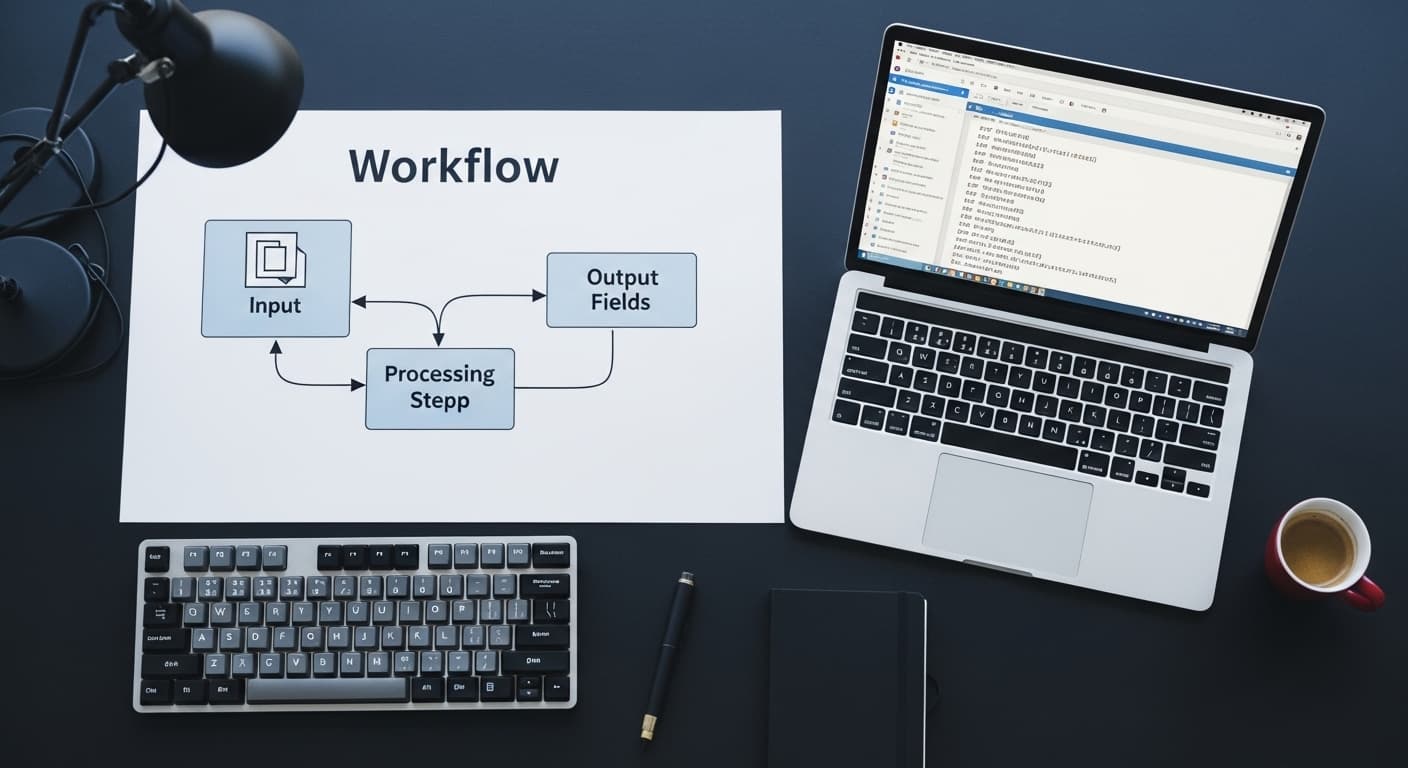
How to Automate Business Processes With LLMs in 2026
Step-by-step framework for identifying which business processes are LLM-automatable, designing the pipeline architecture, selecting orchestration tools (LangChain, n8n, custom), and building validation layers that make outputs production-safe.
Scale Your Project
Ready to build high-performance software? Our experts in New York handle the technical heavy lifting so you can focus on growth.
Get a Free Consultation